


Milk Thistle
- Latin Name: Silybum marianum
- Common Name: Milk Thistle
- Category: Herbal Extract / Botanical Supplement
- Source: Derived from the seeds of the Milk Thistle plant, native to the Mediterranean region.

What is Milk Thistle?
Milk thistle is a flowering herb that has been valued for centuries for supporting liver and cellular wellness. The plant contains silymarin, a blend of flavonolignans including silybin, silydianin, and silychristin that work as powerful antioxidants. These natural compounds help maintain normal liver enzyme function and support the body's detoxification processes. Milk thistle is commonly available as capsules, powders, tinctures, and teas, making it easy to incorporate into daily wellness routines.
Milk Thistle Benefits
Liver Support
Silymarin helps maintain normal liver enzyme function and supports healthy detoxification processes by protecting liver cells from oxidative stress. The compound works by strengthening cell membranes and promoting protein synthesis needed for tissue repair. Studies show milk thistle may support liver cell integrity and help the organ process various compounds more efficiently.
Antioxidant Defense
The flavonoids in milk thistle neutralize free radicals throughout the body and support the body's natural antioxidant network. These compounds help protect cells from oxidative damage caused by environmental stressors and normal metabolic processes. The antioxidant activity promotes overall cellular health and helps maintain resilience against daily toxin exposure.
Kidney Function and Filtration
Milk thistle promotes healthy kidney performance by supporting the body's natural filtration process and protecting kidney cells from oxidative stress. Silymarin concentrates in kidney tissue where it aids repair and regeneration through increased protein synthesis. Research suggests it may help maintain balanced kidney function and support healthy hydration processes.
Digestive and Metabolic Balance
Milk thistle supports bile production, aiding in fat digestion and nutrient absorption while promoting smooth digestive function. The herb helps maintain healthy bile flow, which plays a key role in breaking down fats and supporting metabolic processes. By encouraging proper enzyme formation, milk thistle contributes to comfortable digestion and balanced metabolism of fats and carbohydrates.
Skin and Cellular Vitality
Milk thistle encourages skin health by supporting the body's natural detox pathways and providing antioxidant protection. The compounds in milk thistle help maintain a clear, vibrant complexion by neutralizing free radicals that contribute to skin aging. Studies show silymarin may help reduce sebum production and support balanced skin tone through its anti-inflammatory properties.
Immune and Inflammatory Balance
Milk thistle may support normal immune activity through its antioxidant and cell-protective effects. The flavonolignans help maintain a balanced inflammatory response during everyday stress by modulating immune pathways. These properties work together to support the body's natural defense systems and promote overall resilience.
Liver Support
Antioxidant Defense
Kidney Function and Filtration
Digestive and Metabolic Balance
Skin and Cellular Vitality
Immune and Inflammatory Balance
PureHealth Research Products With Milk Thistle

Liver Health Formula
Energy | Metabolism | Detox
Liver Health Formula contains 11 research-backed ingredients that revitalize healthy liver functions. It can also boost energy levels, improve sluggish metabolism, mental clarity, detoxification, immune integrity, and weight management.
Subscribe & Save 10%
Shop Now
Acne Clear Formula
Protect | Repair Damaged Skin
Acne Clear formula contains 11 research-backed ingredients designed to combat acne outbreaks. This powerful blend helps balance hormones, optimize liver function, protect and repair damaged skin, reduce stress, inflammation, and excessive oil production.
Subscribe & Save 10%
Shop Now
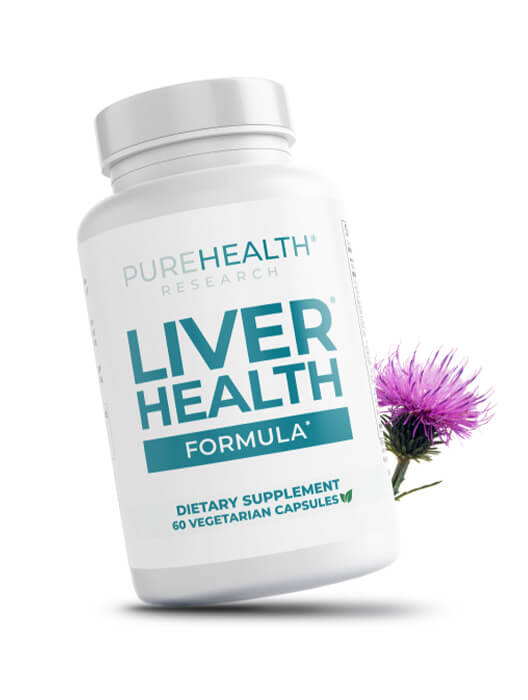
Liver Health Formula
Energy | Metabolism | Detox
Liver Health Formula contains 11 research-backed ingredients that revitalize healthy liver functions. It can also boost energy levels, improve sluggish metabolism, mental clarity, detoxification, immune integrity, and weight management.
 Subscribe & Save 10%
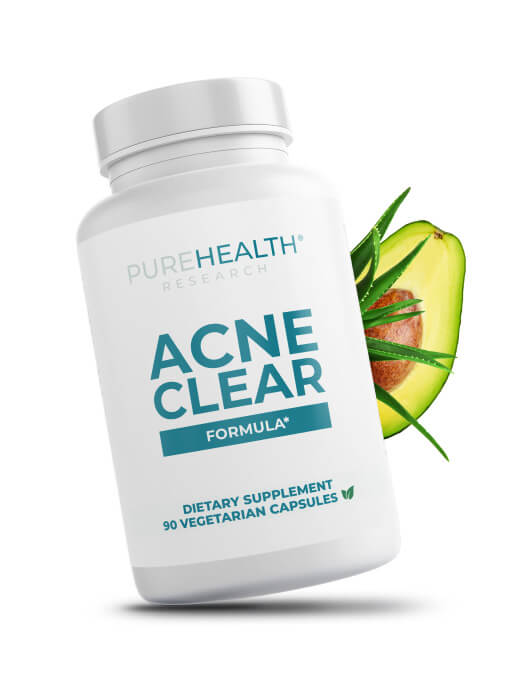
Acne Clear Formula
Protect | Repair Damaged Skin
Acne Clear formula contains 11 research-backed ingredients designed to combat acne outbreaks. This powerful blend helps balance hormones, optimize liver function, protect and repair damaged skin, reduce stress, inflammation, and excessive oil production.
Subscribe & Save 10%
Daily Milk Thistle Dosage
Milk thistle comes in various forms including capsules, powders, tinctures, and teas. The general range for standardized silymarin extract is 150 to 450 mg per day, typically containing 70 to 80 percent silymarin. Studies commonly use doses between 200 to 420 mg daily for general wellness support. Milk thistle can be taken with or after meals to support absorption and minimize potential digestive discomfort. Always follow product directions and consult a healthcare provider before supplementation, especially if taking medications or managing specific health conditions.
Milk Thistle Dosage for Liver Support
Milk thistle is frequently used to support liver function and maintain normal detoxification processes. Daily intake for general liver support typically ranges from 200 to 420 mg of standardized extract containing 70 to 80 percent silymarin. Some research protocols use higher amounts up to 700 mg daily under professional guidance, though standard supplement levels are sufficient for ongoing wellness. Taking milk thistle with or after meals enhances absorption and helps minimize digestive effects. Consult your healthcare provider before use, especially when combining with other liver-supporting supplements or medications that may interact with silymarin.
Demographic
Recommended Daily Intake (mg)
Adults (19-50)
420-600
Women (51+)
420-600
Men (51+)
420-600
Older Adults (65+)
200-420
Children
5-10 mg/kg body weight
General Liver Support
420-600
Advanced Liver Support
700-2,100
Upper Limit
2,100
Interactions with Other Ingredients
Milk thistle works well alongside several complementary herbal compounds.
- When paired with turmeric, the combination provides enhanced antioxidant and liver support through their synergistic anti-inflammatory pathways.
- Milk thistle and dandelion root represent a common herbal pairing for promoting digestion and healthy detox pathways.
- Combining milk thistle with artichoke extract often supports metabolic balance and bile flow for optimal fat digestion.
- When used with ginger, the combination supports overall digestive comfort and nutrient absorption.
Balance remains important when combining herbs, and professional guidance helps ensure optimal results without unwanted interactions.
Milk Thistle Side Effects
Milk thistle is generally well tolerated when used in appropriate amounts for reasonable durations. Most people experience no adverse effects, though mild symptoms can occasionally occur. Side effects are typically temporary and resolve with continued use or dosage adjustment.
- Digestive Symptoms - Some people may experience mild bloating, nausea, gas, diarrhea, or stomach discomfort, particularly when starting supplementation or taking higher doses. Taking milk thistle with food often helps minimize these effects.
- Allergic Reactions - People allergic to plants in the Asteraceae family (ragweed, daisies, marigolds, chrysanthemums) may experience allergic responses including itching, rash, or respiratory symptoms. Those with known plant allergies should exercise caution.
- Blood Sugar Effects - Milk thistle may influence blood sugar levels. People managing diabetes should monitor glucose levels closely and consult healthcare providers before use, as adjustments to other therapies may be needed.
- Hormonal Considerations - Milk thistle may interact with estrogen pathways. Those with hormone-sensitive conditions should discuss use with healthcare professionals to determine appropriateness.
FAQ
References
How to take milk thistle?
Milk thistle can be taken in several forms including capsules, tablets, liquid extract, powder, or tea. For capsules and tablets, take the recommended dose with or after meals to support absorption and minimize digestive effects. Liquid extracts can be mixed with water or juice according to package directions. Tea can be prepared by steeping dried seeds or leaves. Most people divide their daily dose into two or three servings throughout the day for consistent support.
When should you take milk thistle?
The timing depends on your wellness goals. For digestive support, take milk thistle about 30 minutes before main meals to help stimulate bile production and aid fat digestion. For general liver support or detox purposes, regular intake throughout the day works well, with many people preferring morning and evening doses. Taking it with food helps prevent potential stomach discomfort. Consistency matters more than specific timing for long-term wellness benefits.
Does milk thistle cause constipation?
Milk thistle does not typically cause constipation and may actually support regular bowel movements through its effects on bile production and digestion. However, individual responses vary. Some people may experience mild digestive changes when starting supplementation, including occasional constipation or loose stools. These effects are usually temporary and resolve as the body adjusts. Staying well hydrated and taking milk thistle with meals often helps maintain comfortable digestion.
Milk thistle - how long does it take to work?
The timeframe varies depending on the intended use and individual factors. For digestive support, some people notice effects within days to a week. For liver enzyme support and cellular benefits, research suggests 4 to 8 weeks of consistent use may be needed to observe meaningful changes. Long-term studies often use 3 to 6 months of supplementation. Individual response depends on dosage, formulation quality, overall health status, and specific wellness goals.
What does milk thistle taste like?
Milk thistle seeds have a mild, slightly bitter taste with earthy undertones. The flavor is generally not strong or unpleasant. When consumed as tea, the taste is subtle and herbal, often described as grassy or vegetal. Many people find the flavor tolerable, though some prefer to add honey or lemon to tea preparations. Capsules and tablets bypass taste entirely, making them a popular choice for those who prefer not to taste the herb.